|
|
|
|
|
|
|
|
|
|
Member: |

|
|
|
|
|
|
|
|
|
|
|
|
| "The greatest gift is to give people your enlightenment, to share it. It has to be the greatest." Shakyamuni Buddha (563-483 B.C.) |
|
|
 |
|
 |
|
|
|
|
|
|
|
|
|
Mala bag & Purse >> Purse & Bag
|
|
|
 |
|
Please contact us to verify availability. 1-626-354-6228
Email: zambalallc@gmail.com
America area customers can view on this website first.
https://FlyingMystics.org/ |
|
|
|
|
|
|
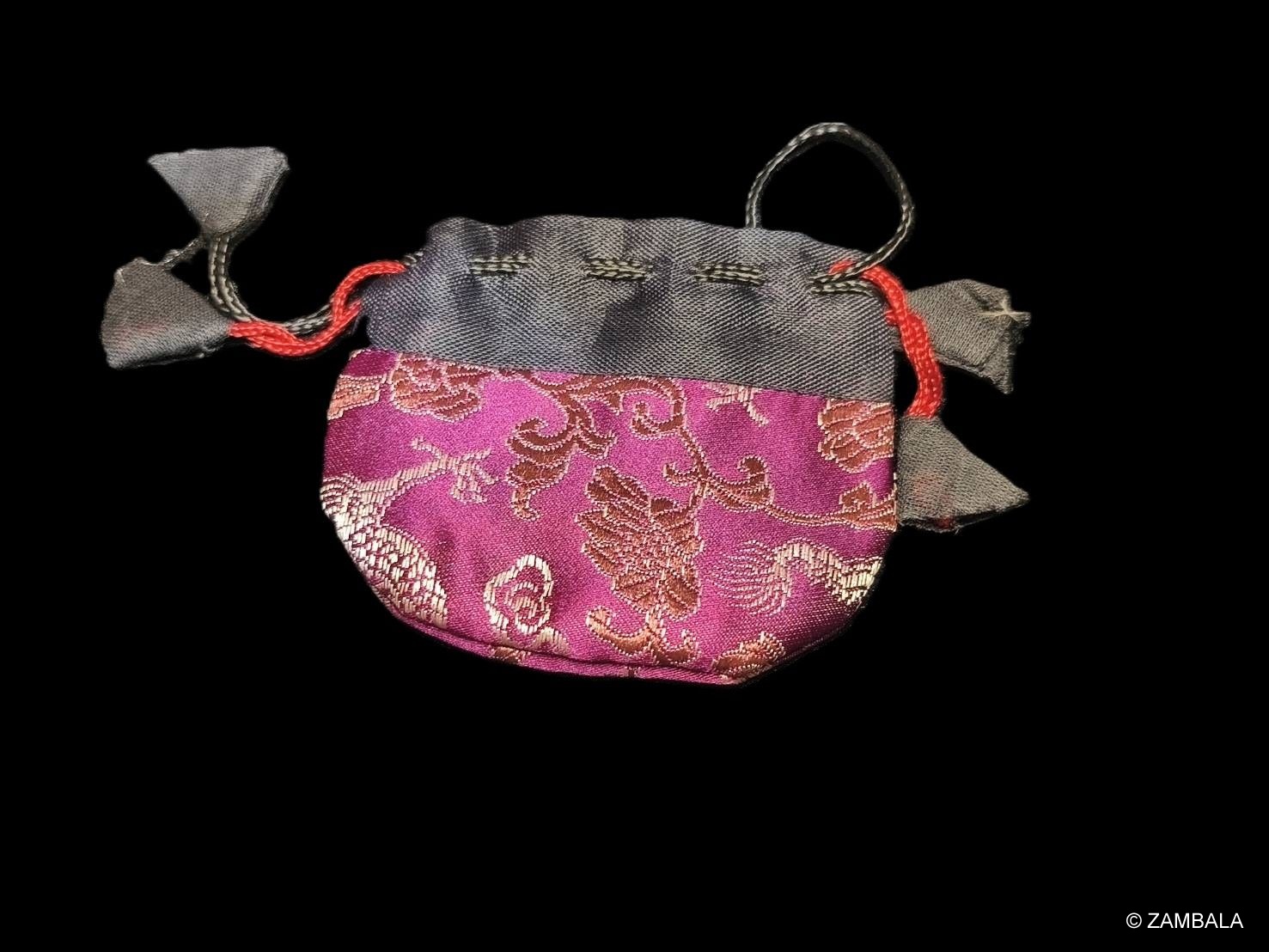
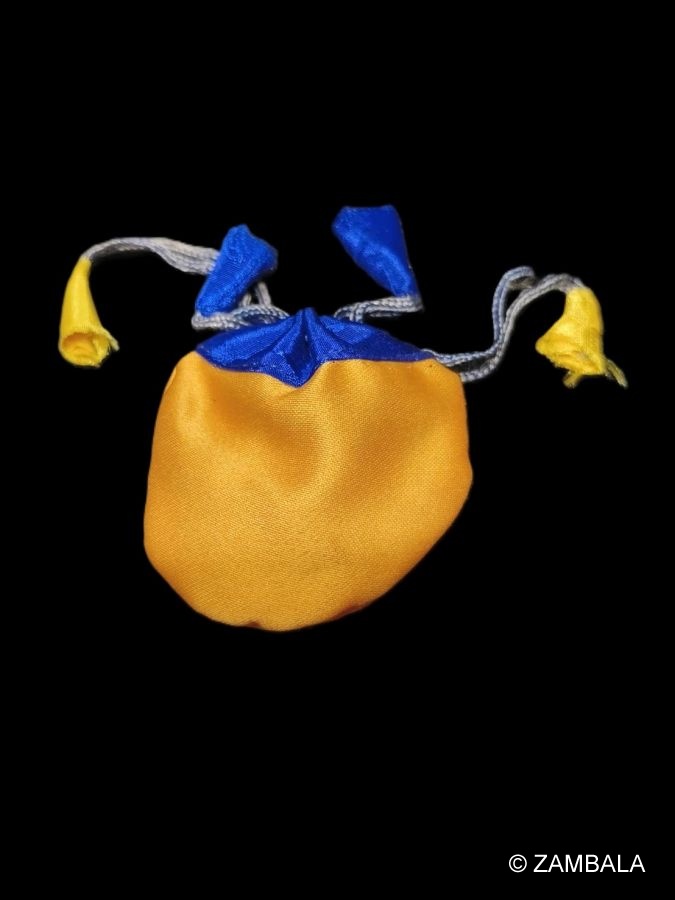
Material: Woven fabric, embroidered, printed, drawstring bag
Size: 95 x 48 cm
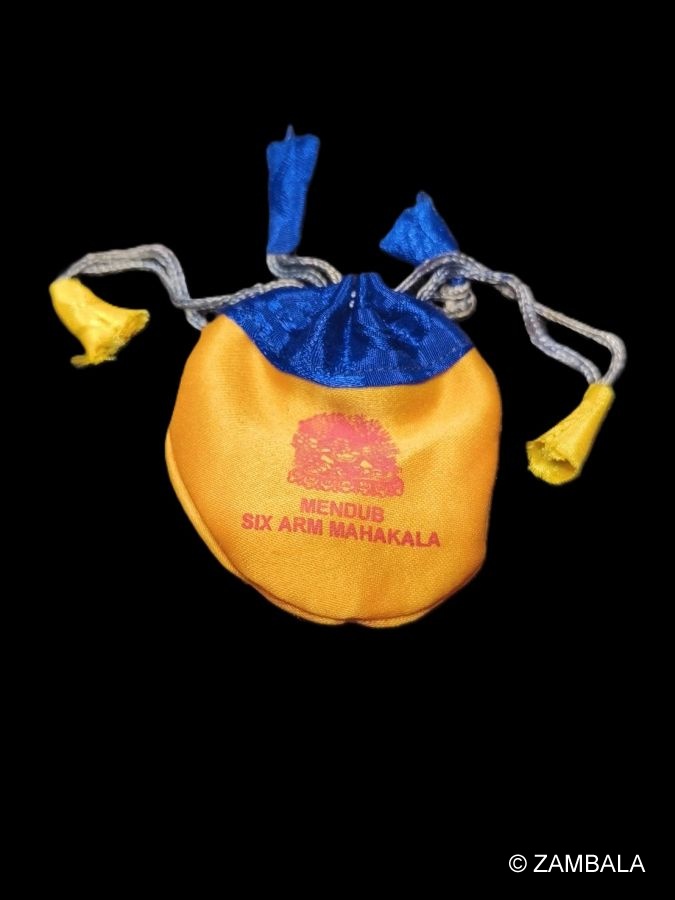
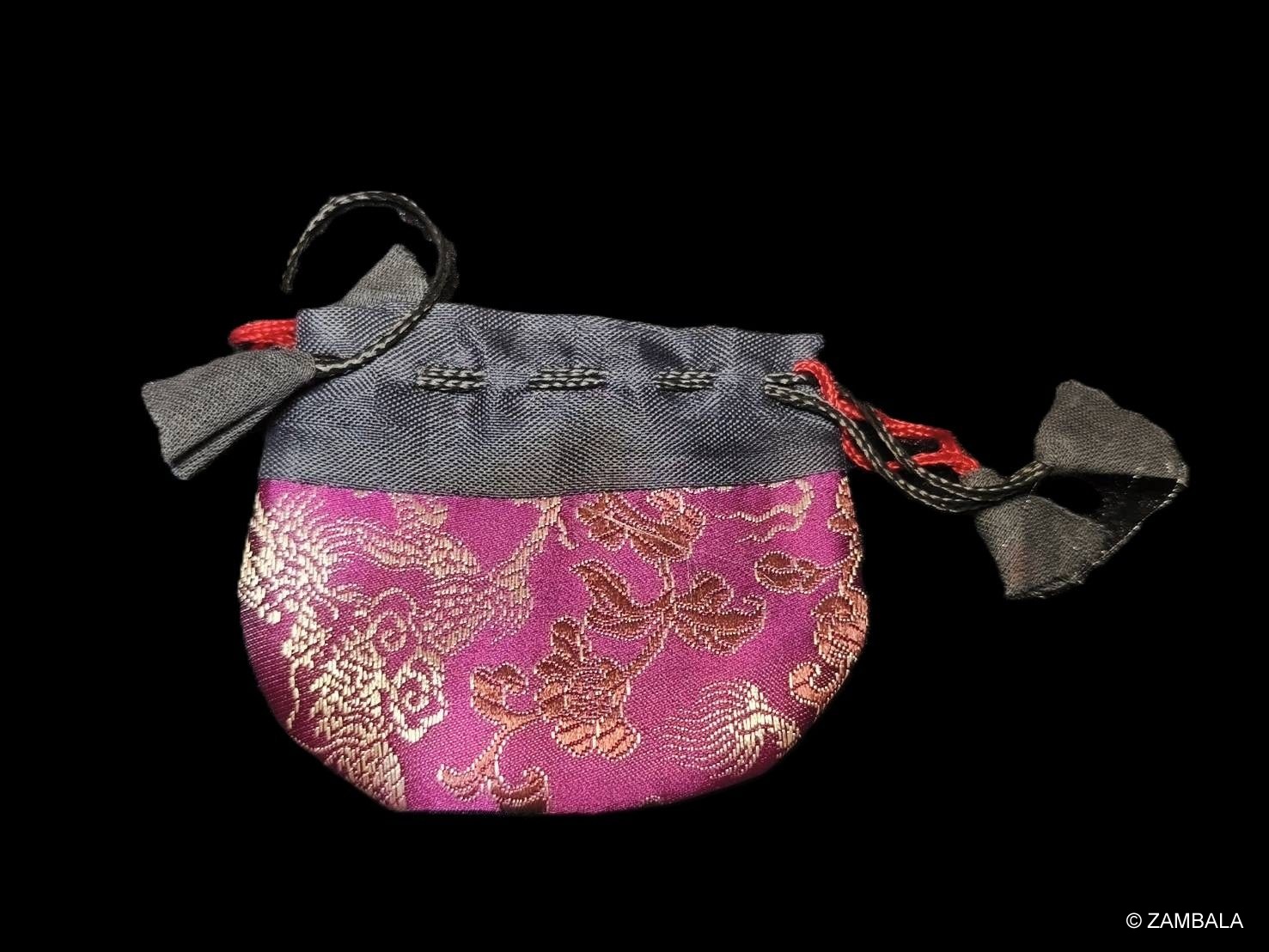
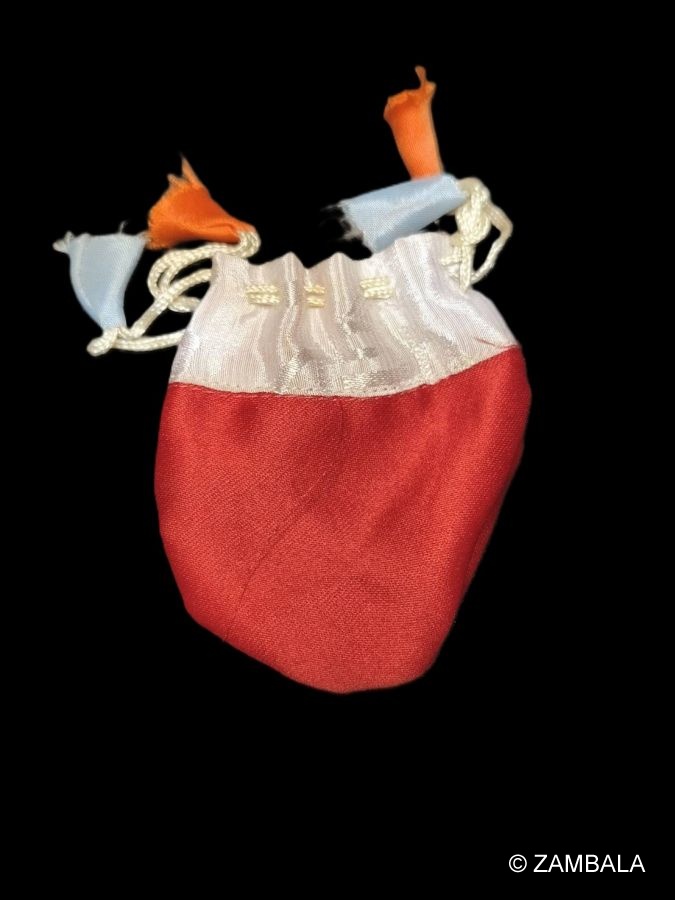
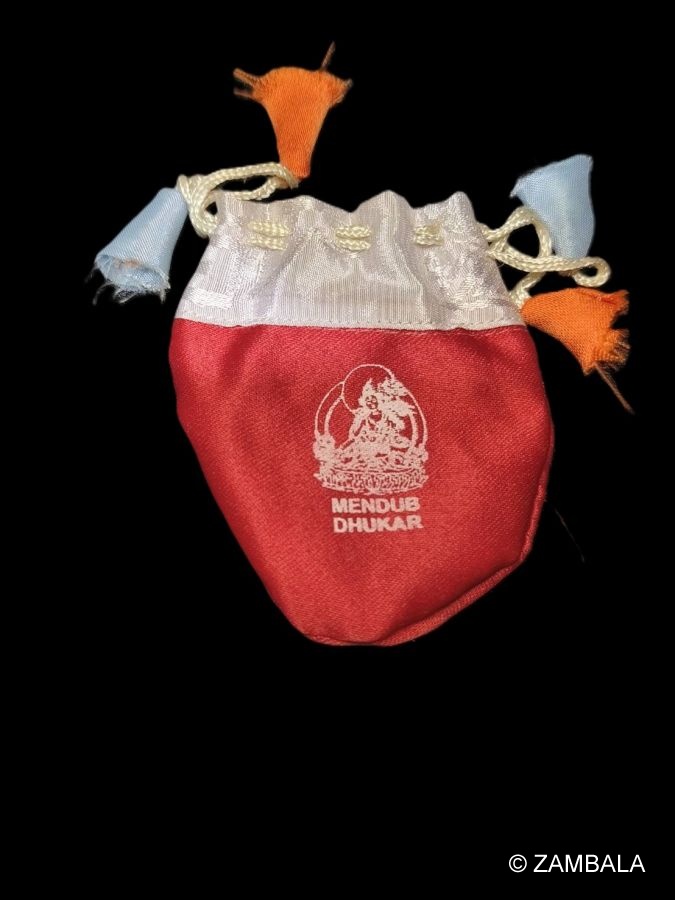
Description: Small drawstring bag for Buddhist statues (incense offering bag, offering bag, blessing bag)
A common type of small drawstring bag for Buddhist statues in Han Chinese Buddhism (especially in China, Taiwan, Hong Kong, and Singapore/Malaysia). Commonly known as an **incense offering bag**, **offering bag**, **merit bag**, or **peace and blessing bag**, these are usually small drawstring bags (approximately 8–15 cm high) made of silk, brocade, or cotton. They have a drawstring at the opening to be tied into a bundle, and are often embroidered with Buddhist patterns such as lotus flowers, swastikas, the Eight Auspicious Symbols, and the names of Buddhas and Bodhisattvas.
I. Origin and History
The origin of this small drawstring bag can be traced back to the following traditions:
1. **Scented Sachets and Buddhist Sachets in the Tang and Song Dynasties**
During the Tang Dynasty, there was a custom of wearing scented sachets (filled with fragrant herbs such as mugwort, realgar, and borneol) during the Dragon Boat Festival or Buddha's Birthday to ward off evil spirits and disease. In the Song Dynasty, Buddhists began to use scented sachets for offerings, filling them with a small amount of incense powder, relics, and mantras, and hanging them around the neck or wrist of Buddha statues, called "Buddha bags" or "Bodhisattva bags."
2. **The Influence of Tibetan Buddhism's "Gau Box" (Protective Knot)**
The Tibetan Buddhist "Gau" (a small metal or silver protective box) contains scriptures, relics, and sacred objects, and is worn around the neck. During the Ming and Qing Dynasties, Tibetan Buddhism spread to Han areas, and Han monks and lay believers began to replace the metal Gau with cloth bags, forming the cloth drawstring bags we see today.
3. **The Popularization of the "Offering Culture" After the Ming and Qing Dynasties**
During the Ming and Qing Dynasties, a lay Buddhist movement of "offering to the Three Jewels" arose in Han Chinese Buddhism. Believers liked to place the "treasures" (gold and silver treasures) or "clothing" (fabric) from the ten offerings (incense, flowers, lamps, unguents, fruit, tea, food, precious stones, pearls, and clothing) in small cloth bags and personally tie them around the neck of the Buddha statue on the birthdays or consecration ceremonies of Buddhas and Bodhisattvas. This expressed "offering of clothing and bedding," and became the most mainstream origin of this practice.
II. Common Fillings and Usage Methods
The most common modern practice is as follows:
Common Fillings (choose a few, not all):
- One to three small relics (or secondary relics enshrined in a stupa)
- Seven treasures (small fragments of gold, silver, crystal, coral, agate, amber, glass, etc.)
- Sandalwood powder, pearl powder, camphor, etc.
- Small pieces of mandala offering (safflower, saffron, pearl, etc.)
- Blessed mantras (Six-Syllable Mantra, Rebirth Mantra, Heart Sutra scrolls)
- A small amount of rice (representing food offerings)
- Red thread (representing the blessings of Buddhas and Bodhisattvas)
Usage Methods:
1. A consecrated drawstring bag is sewn by a monk in a temple or purchased by a layperson.
2. On the birthdays of Buddhas and Bodhisattvas, consecration ceremonies, or important personal days (such as the first and fifteenth of the lunar month), after bathing and cleansing and reciting mantras to bless the bag, the above-mentioned sacred items are placed inside.
3. Upon entering the Buddha hall, one should report to the Buddha and Bodhisattvas: "Disciple [Name] offers this meager offering of incense and clothing to the Three Jewels, wishing all merit to be dedicated to them..." Then, one should personally tie the bag around the neck, wrist, or edge of the lotus pedestal of the Buddha statue.
4. Some temples also allow hanging the bag on the altar in the main hall or on the dragon pillars, but it is most commonly hung around the neck of the Buddha statue (symbolizing "personal offering").
III. Profound Influence on Buddhism This seemingly small drawstring bag actually carries extremely important meaning and influence in Chinese Buddhism:
1. **Strengthening the Concept of "Complete Offering"**
The Avatamsaka Sutra states that "faith is the source of the path and the mother of merit," and among the ten kinds of offerings, "clothing" and "jewels" are the most difficult to perform. Hanging the incense bag on the Buddha statue is equivalent to "offering with clothing" and "offering with jewels," allowing ordinary believers to easily complete the two most difficult offerings, greatly lowering the threshold for offering and making it possible for "everyone to extensively practice offerings."
2. **Establishing a Strong Psychological Connection with the Buddha**
When believers personally tie bags around the necks of Buddha statues, they experience a strong sense of connection, feeling that "my offerings are personally accepted by the Buddha and Bodhisattvas." This tangible offering provides a greater sense of participation than burning incense and praying, strengthening the bond of faith.
3. **Forming a Temple Culture of "Collective Merit"**
You'll see many Buddha statues with strings of small bags hanging around their necks. These are offerings accumulated over many years by thousands of believers, creating a spectacular scene of "a thousand hands, a thousand bags," symbolizing "millions of people practicing together for one Buddha." Psychologically, this generates a strong sense of belonging and group identity.
4. **Bridging the Gap from "Material Offerings" to "Dharma Offerings"**
Many modern temples include names of those who have made merits such as "supporting the printing of scriptures," "releasing animals," and "passing on the light" in the donation bags. This allows believers to participate in large-scale Dharma assemblies even with small donations, forming a "small bag, great merit" faith model.
5. **A Significant Visual Symbol of Faith in Han Chinese Buddhism**
Wherever you visit a Han Chinese Buddhist temple, you'll almost always see Buddha statues adorned with colorful little bags around their necks. This has become one of the most distinctive "Han Chinese characteristics," differentiating it from Theravada and Theravada Buddhism, even more recognizable than incense, flowers, lamps, and candles.
In summary, these small drawstring bags, evolving from the incense pouches of the Tang and Song dynasties, blend Tibetan Buddhist practices with Han Chinese offering culture, becoming one of the most common and representative forms of offering in modern Han Chinese Buddhism. It is not only a carrier of material offerings but also the warmest, tangible testimony to the countless believers who have formed a connection with the Three Jewels and accumulated merit.
|
|
|
 |
|
|
|
|
|
© 2026 Zambala inc. All Rights Reserved. No part of this site may be reproduced without our written Permission.
Service Mail: ZambalaLLC@gmail.com
Phone: (626) 289-9787 or 1(888)Zambala (926-2252)
Fax: (626) 289-9719
1904 West Valley Blvd. Alahambra, CA 91803 USA
Unless stated otherwise in content's license. Design By
|
|
|